

Disasters do not stop at national borders. Floods, wildfires and other climate-related hazards can affect communities, landscapes, infrastructures and emergency services on both sides of a border at the same time. Yet, the systems used to assess risks, exchange information and coordinate emergency response are often organized separately from one country to another.
HARMONY is tested in three cross-border regions in Europe: Spain–Portugal, Greece–Bulgaria, and Albania–North Macedonia. These regions have been selected because they represent real territories where shared risks require shared solutions.
Each pilot brings together local and regional authorities, emergency responders, civil protection actors, technology providers, researchers and communities to explore how disaster risk management can become more coordinated, more data-driven and more responsive across borders.
Across the three pilots, HARMONY will address key hazards including wildfires, floods. The aim is not only to test digital tools, but to understand how people, organisations and technologies can work together before, during and after a crisis.
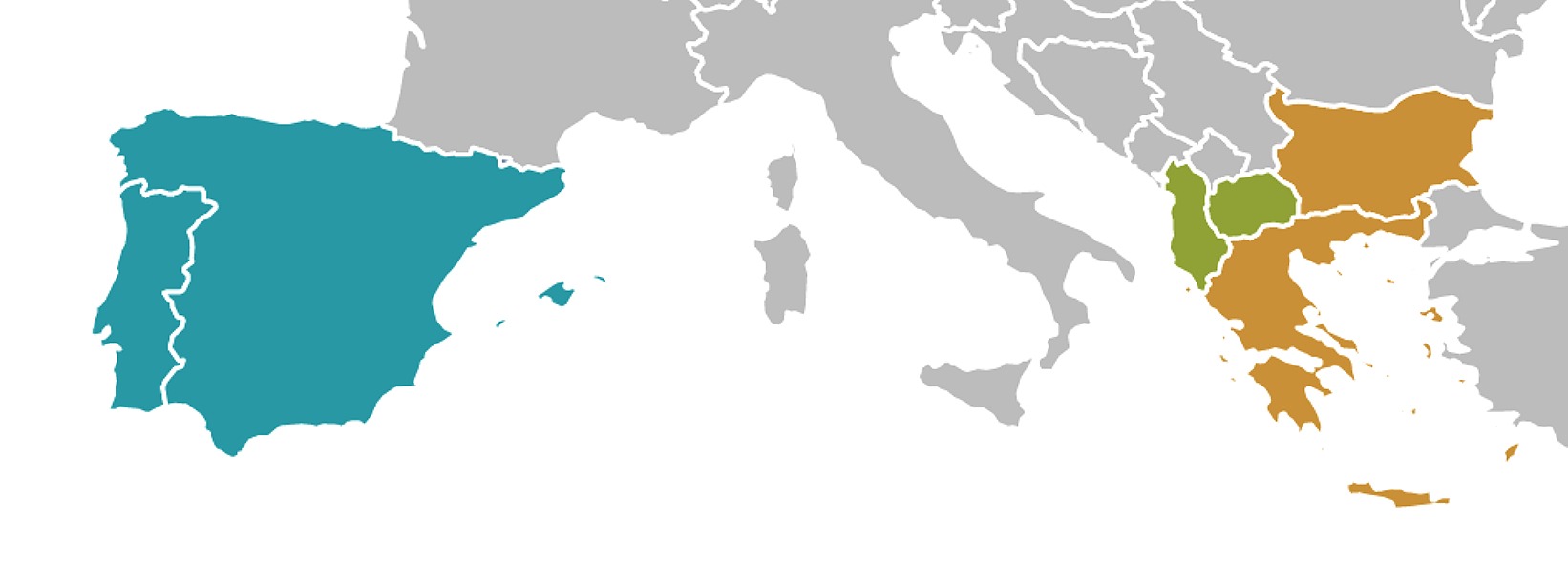
Spain-Portugal
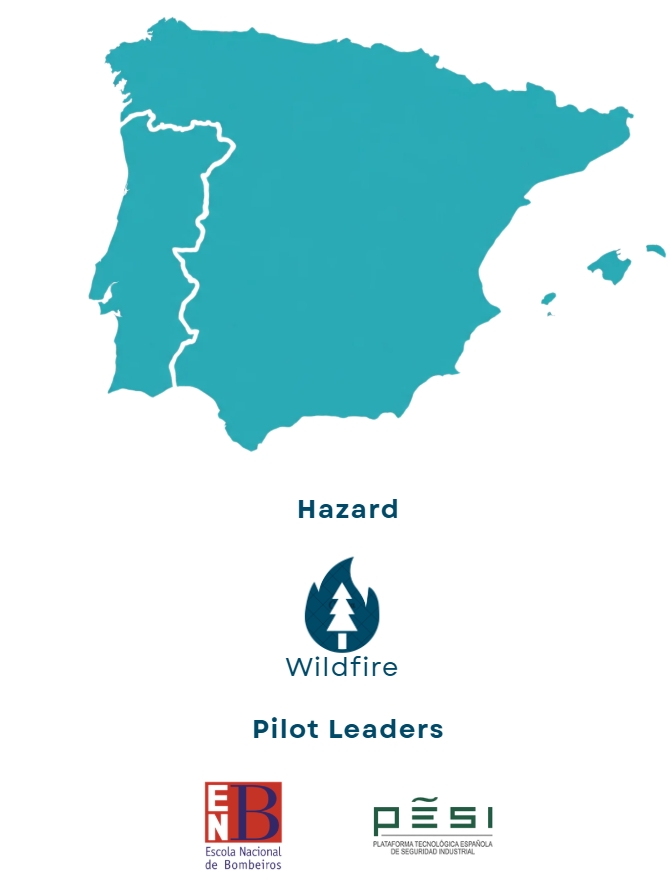
The Spain–Portugal pilot focuses on a wildfire-prone cross-border region between Galicia, Castilla y León, and northern Portugal, centred around the Camino Sanabrés. The area includes key high-risk zones such as Bragança and Puebla de Sanabria, as well as nearby natural parks.
Characterised by forests, rural settlements, and critical infrastructure, the region faces high wildfire risk due to hot, dry summers, droughts, strong winds, and difficult terrain.
Building on existing cooperation frameworks, the pilot aims to improve cross-border wildfire risk assessment, which is currently fragmented. Through the HARMONY project, it will test digital tools, shared data, and harmonised protocols to enhance forecasting and emergency coordination.
The pilot will use the TACTIC HARMONY tool for predictive impact forecasting, risk comparison, and simulation exercises, while also engaging stakeholders and defining performance indicators to improve response effectiveness.
Albania-North Macedonia
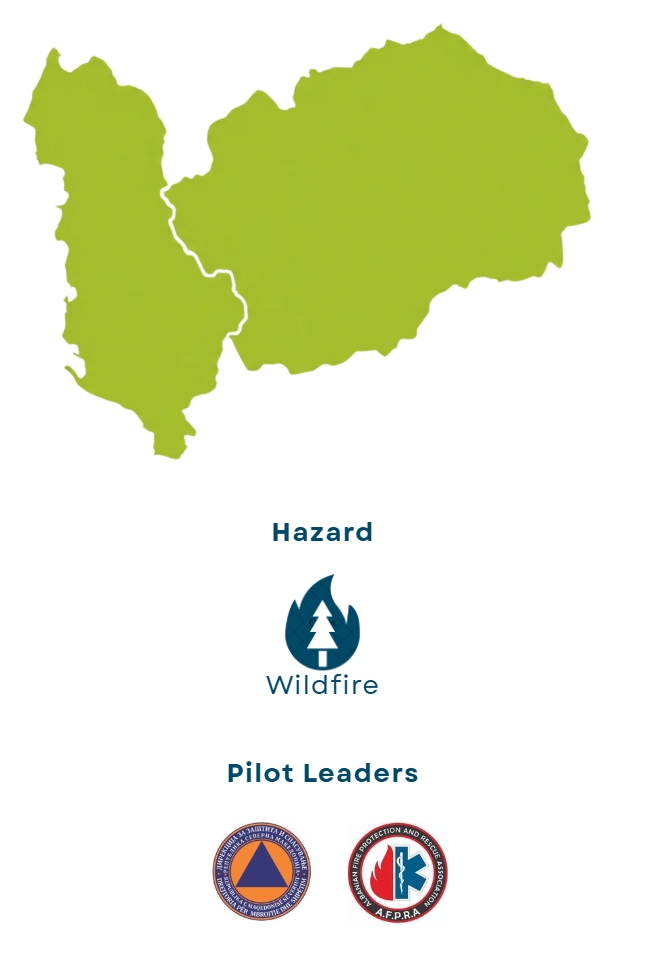
This pilot focuses on the Pustec–Prespa cross-border area, a rural and natural landscape where communities depend on agriculture, forestry and eco-tourism. It involves the Prespa National Park and Municipality of Pustec in Albania, and national disaster management authorities in North Macedonia.
The region faces multiple climate-related risks, particularly wildfires in Albania and floods, landslides and extreme weather in North Macedonia. While no specific past disaster is highlighted, recurring hazards affect both communities and infrastructure.
Governance differs across the border. Albania has national frameworks but limited cross-border coordination, relying mostly on informal communication. North Macedonia has a more established system with experience in cooperation and joint exercises.
Through HARMONY, the pilot aims to improve cross-border coordination by introducing shared protocols, digital tools, early warning systems and training. Activities include real-time monitoring, risk assessment, data sharing and joint exercises, with the goal of strengthening preparedness and creating a model for regional disaster resilience.
Greece-Bulgaria
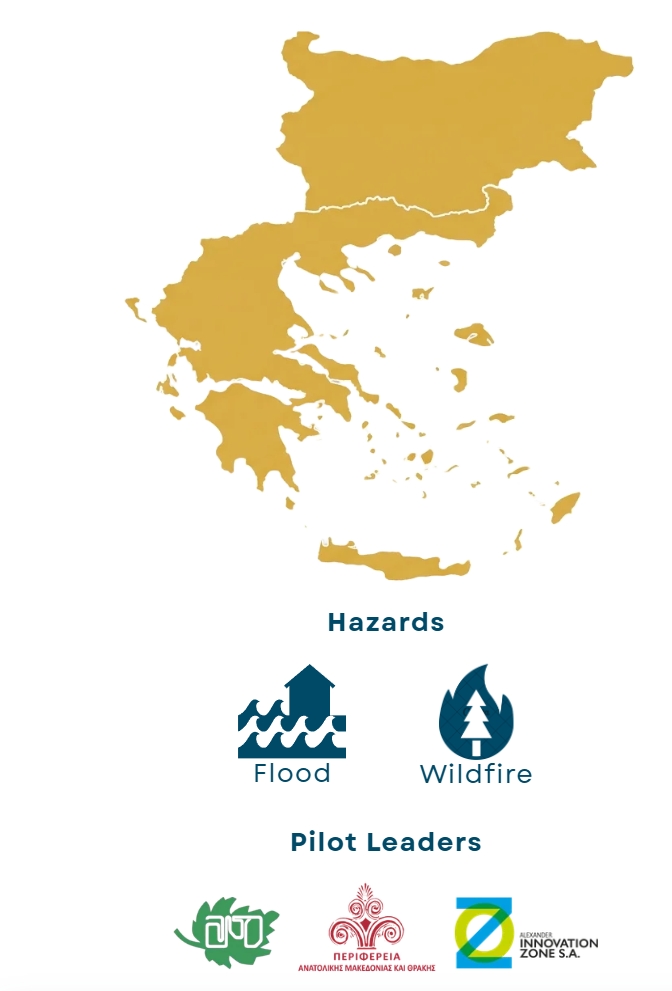
The Greece–Bulgaria pilot focuses on the Rhodope Mountains and surrounding cross-border areas, which face increasing risks from floods, wildfires, landslides and extreme weather. The region includes diverse landscapes and communities that are vulnerable to climate-related hazards.
While both sides have existing civil protection capacities, coordination across the border remains limited. Greece has established systems and tools for disaster management, whereas Bulgaria’s role is more focused on facilitating cooperation among municipalities, with less experience in cross-border protocols.
Through HARMONY, the pilot aims to improve cooperation by developing shared protocols, enhancing data exchange, and introducing tools such as sensors, risk analysis and decision-support systems. The goal is to strengthen coordination and enable faster, more effective joint disaster response.