

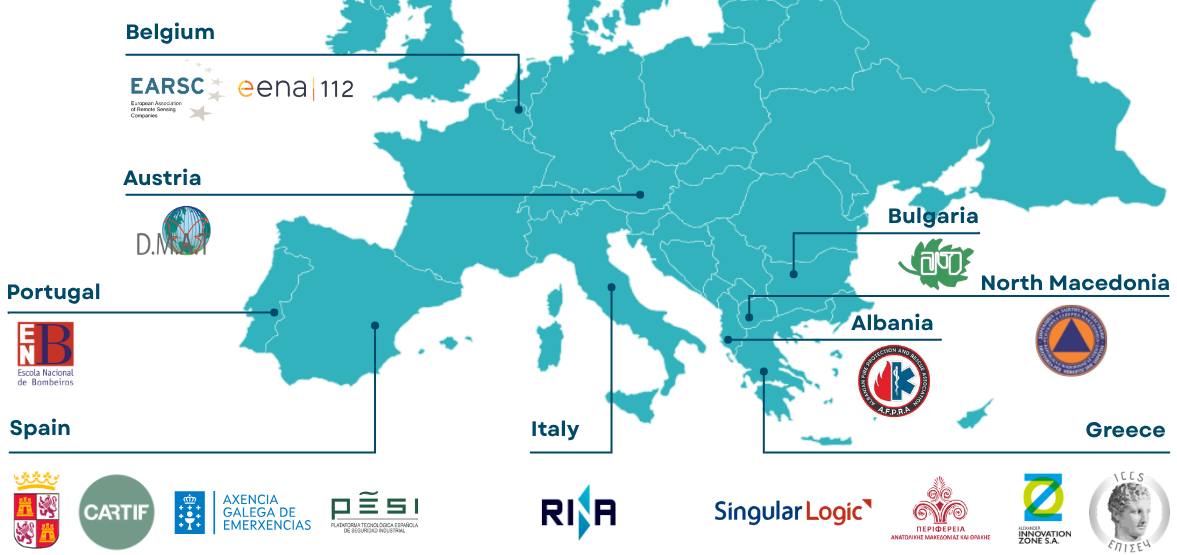
The HARMONY consortium consists of 16 partners from 8 European countries. It brings together technology companies, research institutes, scientific and innovation organizations, public authorities, regional administrations, emergency agencies, civil protection actors and specialist training bodies.
This diverse partnership creates a combination of technological, scientific and operational expertise, enabling HARMONY to address disaster risk management in an integrated, cross-sectoral and transnational way.

SingularLogic, a member of the Space Hellas Group based in Athens, is a leading software integrator offering enterprise software solutions and services to large enterprises and organizations in both the private and public sectors. With extensive experience and expertise, SingularLogic effectively addresses its customers’ digital challenges. It supports strategic goals through integrated applications for various industries and provides comprehensive design, implementation, and support services for IT solutions from global leading vendors.
In the Harmony Horizon Europe project, SingularLogic will ensure proper project development, manage scientific and administrative coordination, develop the data exchange platform, and guide the exploitation of Harmony results.

The Institute of Communication and Computer Systems (ICCS – NTUA) is the research division of NTUA’s School of Electrical and Computer Engineering. Established in 1989, ICCS has been pioneering interdisciplinary research in 𝗗𝗲𝗰𝗶𝘀𝗶𝗼𝗻 𝗦𝘂𝗽𝗽𝗼𝗿𝘁 𝗦𝘆𝘀𝘁𝗲𝗺𝘀 applied to the energy, environmental, and building sectors, with a strong focus on 𝗿𝗲𝗻𝗲𝘄𝗮𝗯𝗹𝗲 𝗲𝗻𝗲𝗿𝗴𝘆, 𝗲𝗻𝗲𝗿𝗴𝘆 𝗲𝗳𝗳𝗶𝗰𝗶𝗲𝗻𝗰𝘆, 𝗮𝗻𝗱 𝗰𝗹𝗶𝗺𝗮𝘁𝗲 𝗰𝗵𝗮𝗻𝗴𝗲, including capacity building for public and private organizations.
In Harmony Horizon Europe project, ICCS will lead the 𝗽𝗶𝗹𝗼𝘁 𝗱𝗲𝗺𝗼𝗻𝘀𝘁𝗿𝗮𝘁𝗶𝗼𝗻 𝗮𝗰𝘁𝗶𝘃𝗶𝘁𝗶𝗲𝘀, including the 𝗲𝘃𝗮𝗹𝘂𝗮𝘁𝗶𝗼𝗻 𝗼𝗳 𝘁𝗵𝗲 𝗵𝗮𝗿𝗺𝗼𝗻𝗶𝘇𝗲𝗱 𝗽𝗿𝗼𝘁𝗼𝗰𝗼𝗹𝘀, and will coordinate and develop the 𝗽𝗿𝗼𝗷𝗲𝗰𝘁’𝘀 𝗰𝗮𝗽𝗮𝗰𝗶𝘁𝘆 𝗯𝘂𝗶𝗹𝗱𝗶𝗻𝗴 𝗽𝗿𝗼𝗴𝗿𝗮𝗺𝗺𝗲𝘀. In addition, ICCS will contribute to the technical development of services at both the strategic and tactical levels, strengthening the pilots’ capacity to address major climate hazards.
In the Harmony Horizon Europe project, SingularLogic will ensure proper project development, manage scientific and administrative coordination, develop the data exchange platform, and guide the exploitation of Harmony results.

CARTIF is a horizontal applied research centre whose main mission is to offer 𝗶𝗻𝗻𝗼𝘃𝗮𝘁𝗶𝘃𝗲 𝘀𝗼𝗹𝘂𝘁𝗶𝗼𝗻𝘀 to companies so they can improve their𝗽𝗿𝗼𝗰𝗲𝘀𝘀𝗲𝘀, 𝘀𝘆𝘀𝘁𝗲𝗺𝘀, 𝗮𝗻𝗱 𝗽𝗿𝗼𝗱𝘂𝗰𝘁𝘀, enhancing their competitiveness and creating new business opportunities. Founded in 1994 at the University of Valladolid and located in Boecillo (Spain), CARTIF is legally constituted as a private, non-profit foundation. As a multidisciplinary centre, CARTIF operates across multiple areas of knowledge such as 𝗲𝗻𝗲𝗿𝗴𝘆, 𝗳𝗼𝗼𝗱, 𝗶𝗻𝗱𝘂𝘀𝘁𝗿𝘆, 𝗰𝗼𝗻𝘀𝘁𝗿𝘂𝗰𝘁𝗶𝗼𝗻 𝗮𝗻𝗱 𝗶𝗻𝗳𝗿𝗮𝘀𝘁𝗿𝘂𝗰𝘁𝘂𝗿𝗲, 𝗵𝗲𝗮𝗹𝘁𝗵, 𝗮𝗻𝗱 𝗲𝗻𝘃𝗶𝗿𝗼𝗻𝗺𝗲𝗻𝘁.
In the Harmony Horizon Europe project, researchers from the 𝗘𝗻𝗲𝗿𝗴𝘆 𝗮𝗻𝗱 𝗖𝗹𝗶𝗺𝗮𝘁𝗲 𝗣𝗼𝗹𝗶𝗰𝘆 𝗔𝗿𝗲𝗮 within the Energy Division, together with the Department of Computer Science, are participating. CARTIF leads the activities of WP3, which involve working with stakeholders to gather insights that guide the development of the services. In addition, CARTIF is responsible for developing a 𝘄𝗶𝗹𝗱𝗳𝗶𝗿𝗲 𝗿𝗶𝘀𝗸 𝗺𝗮𝗻𝗮𝗴𝗲𝗺𝗲𝗻𝘁 𝘀𝗲𝗿𝘃𝗶𝗰𝗲, to be built and validated through the Spain–Portugal trans_boundary pilot.

Website
RINA is an Italian-based international company established in 1861 with a global network of over 5,600 professionals. RINA-C is specialized in testing, inspecting, certifying, and engineering solutions across a wide range of markets, including Energy, Mobility, and Infrastructure. With over 20 years of experience in 𝗥𝗲𝘀𝗲𝗮𝗿𝗰𝗵 𝗮𝗻𝗱 𝗜𝗻𝗻𝗼𝘃𝗮𝘁𝗶𝗼𝗻, RINA aims to drive innovation that makes the future of our societies more 𝗿𝗲𝘀𝗶𝗹𝗶𝗲𝗻𝘁.
In Harmony Horizon Europe, RINA leads the development of 𝘀𝘁𝗿𝗮𝘁𝗲𝗴𝗶𝗰 𝘁𝗼𝗼𝗹𝘀 𝗳𝗼𝗿 𝗵𝗮𝘇𝗮𝗿𝗱, 𝘃𝘂𝗹𝗻𝗲𝗿𝗮𝗯𝗶𝗹𝗶𝘁𝘆 𝗮𝗻𝗱 𝗿𝗶𝘀𝗸 𝗮𝘀𝘀𝗲𝘀𝘀𝗺𝗲𝗻𝘁, providing the analytical backbone needed to understand how wildfires, floods, earthquakes and other hazards affect regions across Europe. RINA also coordinates the project’s 𝗰𝗼𝗺𝗺𝘂𝗻𝗶𝗰𝗮𝘁𝗶𝗼𝗻 𝗮𝗻𝗱 𝗱𝗶𝘀𝘀𝗲𝗺𝗶𝗻𝗮𝘁𝗶𝗼𝗻 𝗮𝗰𝘁𝗶𝘃𝗶𝘁𝗶𝗲𝘀, ensuring that results, tools and insights are shared widely with policymakers, emergency responders, researchers and the wider community.

Website
𝗘𝘂𝗿𝗼𝗽𝗲𝗮𝗻 𝗘𝗺𝗲𝗿𝗴𝗲𝗻𝗰𝘆 𝗡𝘂𝗺𝗯𝗲𝗿 𝗔𝘀𝘀𝗼𝗰𝗶𝗮𝘁𝗶𝗼𝗻 (𝗘𝗘𝗡𝗔) is a Brussels-based NGO established in 1999, dedicated to promoting high-quality 𝗲𝗺𝗲𝗿𝗴𝗲𝗻𝗰𝘆 𝘀𝗲𝗿𝘃𝗶𝗰𝗲𝘀 throughout Europe. EENA serves as a discussion platform for 𝗲𝗺𝗲𝗿𝗴𝗲𝗻𝗰𝘆 𝘀𝗲𝗿𝘃𝗶𝗰𝗲𝘀, 𝗽𝘂𝗯𝗹𝗶𝗰 𝗮𝘂𝘁𝗵𝗼𝗿𝗶𝘁𝗶𝗲𝘀, 𝗱𝗲𝗰𝗶𝘀𝗶𝗼𝗻-𝗺𝗮𝗸𝗲𝗿𝘀, 𝗮𝘀𝘀𝗼𝗰𝗶𝗮𝘁𝗶𝗼𝗻𝘀, 𝗮𝗻𝗱 𝘀𝗼𝗹𝘂𝘁𝗶𝗼𝗻 𝗽𝗿𝗼𝘃𝗶𝗱𝗲𝗿𝘀, working towards a shared vision: ensuring that every citizen can access emergency services and receive the appropriate information and care during an emergency or disaster. EENA’s activities including 𝗮𝗱𝘃𝗼𝗰𝗮𝗰𝘆, 𝗿𝗲𝗽𝗼𝗿𝘁𝘀 𝗮𝗻𝗱 𝗽𝘂𝗯𝗹𝗶𝗰𝗮𝘁𝗶𝗼𝗻𝘀, 𝗮𝗻𝗻𝘂𝗮𝗹 𝗲𝘃𝗲𝗻𝘁𝘀, 𝘀𝘁𝗮𝗻𝗱𝗮𝗿𝗱𝗶𝘀𝗮𝘁𝗶𝗼𝗻 𝘄𝗼𝗿𝗸, 𝗮𝗻𝗱 𝗽𝗮𝗿𝘁𝗶𝗰𝗶𝗽𝗮𝘁𝗶𝗼𝗻 𝗶𝗻 𝗘𝗨-𝗳𝘂𝗻𝗱𝗲𝗱 𝗽𝗿𝗼𝗷𝗲𝗰𝘁𝘀, enable collaboration among all stakeholders to improve emergency response in line with citizens’ needs.
In Harmony Horizon Europe, EENA leads the 𝗰𝗼-𝗱𝗲𝘀𝗶𝗴𝗻 𝗽𝗿𝗼𝗰𝗲𝘀𝘀, aligning the perspectives of scientific, policy, and first-responder stakeholders to develop and validate the 𝗛𝗮𝗿𝗺𝗼𝗻𝗶𝘀𝗲𝗱 𝗣𝗿𝗼𝘁𝗼𝗰𝗼𝗹𝘀 for impact-forecasting and transnational emergency management. Through stakeholder engagement and targeted dissemination, EENA also facilitates the timely transfer of knowledge gained during HARMONY into practice.
Website
EARSC, the 𝗘𝘂𝗿𝗼𝗽𝗲𝗮𝗻 𝗔𝘀𝘀𝗼𝗰𝗶𝗮𝘁𝗶𝗼𝗻 𝗼𝗳 𝗥𝗲𝗺𝗼𝘁𝗲 𝗦𝗲𝗻𝘀𝗶𝗻𝗴 𝗖𝗼𝗺𝗽𝗮𝗻𝗶𝗲𝘀, is a membership-based, non-profit organisation that coordinates and promotes the activities of European companies delivering 𝗘𝗮𝗿𝘁𝗵-𝗼𝗯𝘀𝗲𝗿𝘃𝗮𝘁𝗶𝗼𝗻-𝗱𝗲𝗿𝗶𝘃𝗲𝗱 𝗴𝗲𝗼𝗶𝗻𝗳𝗼𝗿𝗺𝗮𝘁𝗶𝗼𝗻 𝘀𝗲𝗿𝘃𝗶𝗰𝗲𝘀. EARSC represents the sector in its broadest sense, 𝗰𝗿𝗲𝗮𝘁𝗶𝗻𝗴 𝗮 𝗻𝗲𝘁𝘄𝗼𝗿𝗸 between industry, decision makers, and users, and covering the full 𝗘𝗢 𝘃𝗮𝗹𝘂𝗲 𝗰𝗵𝗮𝗶𝗻, from data acquisition and processing to fusion, analysis, and final geoinformation products and services.
Within the Harmony Horizon Europe , EARSC leads activities connecting the initiative with the Earth Observation (EO) community. By engaging key stakeholders, EARSC promotes the 𝗮𝗱𝗼𝗽𝘁𝗶𝗼𝗻 𝗼𝗳 𝗘𝗢 𝘀𝗼𝗹𝘂𝘁𝗶𝗼𝗻𝘀 and supports the 𝘂𝗽𝘀𝗰𝗮𝗹𝗶𝗻𝗴 𝗼𝗳 𝗽𝗿𝗼𝗷𝗲𝗰𝘁 𝗿𝗲𝘀𝘂𝗹𝘁𝘀. Through its platforms (eoMAG, eoWIKI, eoMALL, and eoPAGES) and community events such as EOcafe and EXPANDEO, EARSC fosters collaboration, visibility, and 𝗹𝗼𝗻𝗴-𝘁𝗲𝗿𝗺 𝗶𝗺𝗽𝗮𝗰𝘁 𝗳𝗼𝗿 𝗘𝗢-𝗯𝗮𝘀𝗲𝗱 𝘀𝗲𝗿𝘃𝗶𝗰𝗲𝘀 developed in 𝗛𝗔𝗥𝗠𝗢𝗡𝗬.
Website
DMAT Consulting KG is an Austrian SME providing 𝗰𝗼𝗻𝘀𝘂𝗹𝘁𝗶𝗻𝗴, 𝘁𝗿𝗮𝗶𝗻𝗶𝗻𝗴, and 𝗼𝗽𝗲𝗿𝗮𝘁𝗶𝗼𝗻𝗮𝗹 𝘀𝘂𝗽𝗽𝗼𝗿𝘁 𝗯𝗲𝗳𝗼𝗿𝗲, 𝗱𝘂𝗿𝗶𝗻𝗴, and 𝗮𝗳𝘁𝗲𝗿 𝗱𝗶𝘀𝗮𝘀𝘁𝗲𝗿𝘀 for municipalities, governments, emergency services, and private organisations. With extensive experience in real disaster missions worldwide, a background in firefighting, and strong expertise in 𝗿𝗶𝘀𝗸 𝗮𝗻𝗱 𝗱𝗶𝘀𝗮𝘀𝘁𝗲𝗿 𝗺𝗮𝗻𝗮𝗴𝗲𝗺𝗲𝗻𝘁, DMAT brings a unique combination of 𝗳𝗶𝗲𝗹𝗱 𝗸𝗻𝗼𝘄𝗹𝗲𝗱𝗴𝗲 𝗮𝗻𝗱 𝗮𝗰𝗮𝗱𝗲𝗺𝗶𝗰 𝗶𝗻𝘀𝗶𝗴𝗵𝘁. Their work also focuses on 𝗿𝗲𝘀𝗶𝗹𝗶𝗲𝗻𝗰𝗲, 𝘀𝘂𝘀𝘁𝗮𝗶𝗻𝗮𝗯𝗶𝗹𝗶𝘁𝘆, and the 𝗶𝗻𝗰𝗹𝘂𝘀𝗶𝗼𝗻 of citizens, particularly vulnerable groups, supported by long-term collaboration across EU Civil Protection, UN initiatives, and numerous European research projects.
In Harmony Horizon Europe, DMAT strengthens the project by facilitating stakeholder collaboration, and contributing to the co-creation of 𝗵𝗮𝗿𝗺𝗼𝗻𝗶𝘀𝗲𝗱 𝗮𝗽𝗽𝗿𝗼𝗮𝗰𝗵𝗲𝘀 for emergency preparedness and response. DMAT also plays a key role in pilot activities, helping translate project outcomes into 𝗽𝗿𝗮𝗰𝘁𝗶𝗰𝗮𝗹 𝗴𝘂𝗶𝗱𝗮𝗻𝗰𝗲 𝗮𝗻𝗱 𝗽𝗼𝗹𝗶𝗰𝘆 𝗿𝗲𝗰𝗼𝗺𝗺𝗲𝗻𝗱𝗮𝘁𝗶𝗼𝗻𝘀.

Website
𝗔𝘅𝗲𝗻𝗰𝗶𝗮 𝗚𝗮𝗹𝗲𝗴𝗮 𝗱𝗲 𝗘𝗺𝗲𝗿𝘅𝗲𝗻𝗰𝗶𝗮𝘀 (𝗔𝗫𝗘𝗚𝗔) is the public agency of the Xunta de Galicia responsible for 𝗰𝗼𝗼𝗿𝗱𝗶𝗻𝗮𝘁𝗶𝗻𝗴 𝗲𝗺𝗲𝗿𝗴𝗲𝗻𝗰𝘆 𝗿𝗲𝘀𝗽𝗼𝗻𝘀𝗲 𝗮𝗻𝗱 𝗰𝗶𝘃𝗶𝗹 𝗽𝗿𝗼𝘁𝗲𝗰𝘁𝗶𝗼𝗻 across the region of 𝗚𝗮𝗹𝗶𝗰𝗶𝗮, 𝗦𝗽𝗮𝗶𝗻. Its mission is to safeguard people, property, and the environment through 𝗽𝗿𝗲𝘃𝗲𝗻𝘁𝗶𝗼𝗻, 𝗽𝗿𝗲𝗽𝗮𝗿𝗲𝗱𝗻𝗲𝘀𝘀, 𝗮𝗻𝗱 𝗿𝗮𝗽𝗶𝗱 𝗶𝗻𝘁𝗲𝗿𝘃𝗲𝗻𝘁𝗶𝗼𝗻. As a key actor in emergency management, civil protection, and crisis coordination, AXEGA specializes in integrating emergency services, developing risk prevention strategies, and deploying advanced communication and coordination systems to ensure 𝗲𝗳𝗳𝗲𝗰𝘁𝗶𝘃𝗲 𝗿𝗲𝘀𝗽𝗼𝗻𝘀𝗲𝘀 𝘁𝗼 𝗯𝗼𝘁𝗵 𝗻𝗮𝘁𝘂𝗿𝗮𝗹 𝗮𝗻𝗱 𝗵𝘂𝗺𝗮𝗻-𝗶𝗻𝗱𝘂𝗰𝗲𝗱 𝗵𝗮𝘇𝗮𝗿𝗱𝘀.
In Harmony Horizon Europe, 𝗔𝗫𝗘𝗚𝗔 brings its operational expertise to support the development of innovative tools for risk assessment and crisis response. 𝗕𝘆 𝘃𝗮𝗹𝗶𝗱𝗮𝘁𝗶𝗻𝗴 𝘀𝗼𝗹𝘂𝘁𝗶𝗼𝗻𝘀 𝗶𝗻 𝗿𝗲𝗮𝗹-𝘄𝗼𝗿𝗹𝗱 𝗰𝗼𝗻𝗱𝗶𝘁𝗶𝗼𝗻𝘀, AXEGA helps ensure that project outcomes are 𝗽𝗿𝗮𝗰𝘁𝗶𝗰𝗮𝗹, 𝘀𝗰𝗮𝗹𝗮𝗯𝗹𝗲, and aligned with the needs of 𝗽𝘂𝗯𝗹𝗶𝗰 𝘀𝗮𝗳𝗲𝘁𝘆 𝗮𝘂𝘁𝗵𝗼𝗿𝗶𝘁𝗶𝗲𝘀 across Europe.
Website
The Portuguese National Fire Service School, 𝗘𝗡𝗕 is a private non-profit organization jointly owned by the National Emergency and Civil Protection Authority (ANEPC) and the @Confederation of Portuguese Firefighters (LBP). Recognized by the Portuguese Government as a 𝗽𝘂𝗯𝗹𝗶𝗰 𝘂𝘁𝗶𝗹𝗶𝘁𝘆 𝗲𝗻𝘁𝗶𝘁𝘆 and the 𝗽𝗲𝗱𝗮𝗴𝗼𝗴𝗶𝗰𝗮𝗹 𝗮𝘂𝘁𝗵𝗼𝗿𝗶𝘁𝘆 𝗳𝗼𝗿 𝗳𝗶𝗿𝗲𝗳𝗶𝗴𝗵𝘁𝗲𝗿 𝘁𝗲𝗰𝗵𝗻𝗶𝗰𝗮𝗹 𝘁𝗿𝗮𝗶𝗻𝗶𝗻𝗴. With extensive experience in Tabletop, CPX, LIVEX exercises and advanced virtual simulation, ENB provides comprehensive training for multi-agency emergency operations.
In the HARMONY project, ENB contributes through the 𝗦𝗽𝗮𝗶𝗻–𝗣𝗼𝗿𝘁𝘂𝗴𝗮𝗹 𝗰𝗿𝗼𝘀𝘀-𝗯𝗼𝗿𝗱𝗲𝗿 𝗽𝗶𝗹𝗼𝘁, focusing on 𝗱𝗲𝘃𝗲𝗹𝗼𝗽𝗶𝗻𝗴, 𝘁𝗲𝘀𝘁𝗶𝗻𝗴, 𝗮𝗻𝗱 𝘃𝗮𝗹𝗶𝗱𝗮𝘁𝗶𝗻𝗴 𝗵𝗮𝗿𝗺𝗼𝗻𝗶𝘇𝗲𝗱 𝗽𝗿𝗼𝘁𝗼𝗰𝗼𝗹𝘀 and digital tools for wildfire management. ENB also supports the 𝗰𝗮𝗽𝗮𝗰𝗶𝘁𝘆-𝗯𝘂𝗶𝗹𝗱𝗶𝗻𝗴 𝗽𝗿𝗼𝗴𝗿𝗮𝗺𝗺𝗲 by designing and delivering training for responders and public authorities, helping to integrate new methods and technologies into emergency operations. In addition, ENB provides expertise in 𝗼𝗽𝗲𝗿𝗮𝘁𝗶𝗼𝗻𝗮𝗹 𝗽𝗿𝗼𝗰𝗲𝗱𝘂𝗿𝗲𝘀, 𝘀𝗮𝗳𝗲𝘁𝘆 𝗺𝗮𝗻𝗮𝗴𝗲𝗺𝗲𝗻𝘁, and 𝗲𝘃𝗮𝗹𝘂𝗮𝘁𝗶𝗼𝗻 𝗼𝗳 𝘁𝗿𝗮𝗶𝗻𝗶𝗻𝗴 𝗲𝗳𝗳𝗲𝗰𝘁𝗶𝘃𝗲𝗻𝗲𝘀𝘀, ensuring that project outcomes align with the practical needs of civil protection systems.
Website
𝗧𝗵𝗲 𝗥𝗲𝗴𝗶𝗼𝗻 𝗼𝗳 𝗘𝗮𝘀𝘁𝗲𝗿𝗻 𝗠𝗮𝗰𝗲𝗱𝗼𝗻𝗶𝗮 𝗮𝗻𝗱 𝗧𝗵𝗿𝗮𝗰𝗲 (𝗥𝗘𝗠𝗧𝗛) is a regional governmental authority promoting 𝘀𝘂𝘀𝘁𝗮𝗶𝗻𝗮𝗯𝗹𝗲 𝗲𝗰𝗼𝗻𝗼𝗺𝗶𝗰 𝗴𝗿𝗼𝘄𝘁𝗵 while 𝗮𝗱𝗱𝗿𝗲𝘀𝘀𝗶𝗻𝗴 𝘀𝗶𝗴𝗻𝗶𝗳𝗶𝗰𝗮𝗻𝘁 𝗻𝗮𝘁𝘂𝗿𝗮𝗹 𝗵𝗮𝘇𝗮𝗿𝗱𝘀 such as floods, wildfires, and extreme weather events due to its diverse landscape and location.
Through its Regional Directorate of Civil Protection and in cooperation with key agencies, REMTH implements integrated risk management strategies combining𝗲𝗮𝗿𝗹𝘆 𝘄𝗮𝗿𝗻𝗶𝗻𝗴 𝘀𝘆𝘀𝘁𝗲𝗺𝘀, 𝗿𝗲𝘀𝗶𝗹𝗶𝗲𝗻𝘁 𝗶𝗻𝗳𝗿𝗮𝘀𝘁𝗿𝘂𝗰𝘁𝘂𝗿𝗲, and 𝗰𝗼𝗼𝗿𝗱𝗶𝗻𝗮𝘁𝗲𝗱 𝗲𝗺𝗲𝗿𝗴𝗲𝗻𝗰𝘆 𝗿𝗲𝘀𝗽𝗼𝗻𝘀𝗲 to strengthen community resilience and reduce disaster impacts.
In the Harmony Horizon Europe project, , REMTH aims to enhance its civil and environmental protection capacity by𝘁𝗲𝘀𝘁𝗶𝗻𝗴 𝗱𝗶𝗴𝗶𝘁𝗮𝗹 𝘁𝗼𝗼𝗹𝘀 in two key areas: 𝘄𝗶𝗹𝗱𝗳𝗶𝗿𝗲 𝗿𝗶𝘀𝗸 𝗶𝗻 𝗗𝗮𝗱𝗶𝗮 𝗡𝗮𝘁𝗶𝗼𝗻𝗮𝗹 𝗣𝗮𝗿𝗸 and 𝗳𝗹𝗼𝗼𝗱 𝗿𝗶𝘀𝗸 𝗶𝗻 𝘁𝗵𝗲 𝗗𝗶𝗸𝗲𝗹𝗹𝗮 𝗰𝗼𝗮𝘀𝘁𝗮𝗹 𝘇𝗼𝗻𝗲, supported by monitoring systems, stakeholder engagement, and joint cross-border civil protection exercises with Bulgarian partners.
Website
The Junta de Castilla Y León is the governing body of one of Spain’s largest autonomous communities; a vast region of 9.4 million hectares, two of whose provinces share a border with Portugal. Within its structure, the Forest Fire Service, part of the Directorate-General for Natural Heritage and Forest Policy, is responsible for the 𝗽𝗿𝗲𝘃𝗲𝗻𝘁𝗶𝗼𝗻, 𝗺𝗼𝗻𝗶𝘁𝗼𝗿𝗶𝗻𝗴, 𝗮𝗻𝗱 𝘀𝘂𝗽𝗽𝗿𝗲𝘀𝘀𝗶𝗼𝗻 𝗼𝗳 𝘄𝗶𝗹𝗱𝗳𝗶𝗿𝗲𝘀 𝗮𝗰𝗿𝗼𝘀𝘀 𝗻𝗮𝘁𝘂𝗿𝗮𝗹 𝗮𝗿𝗲𝗮𝘀 𝗮𝗻𝗱 𝘄𝗶𝗹𝗱𝗹𝗮𝗻𝗱𝘀. JCYL works 𝗮𝗰𝗿𝗼𝘀𝘀 𝗯𝗼𝗿𝗱𝗲𝗿𝘀 𝗮𝗻𝗱 𝗮𝗰𝗿𝗼𝘀𝘀 𝗦𝗽𝗮𝗶𝗻, coordinating with eight neighbouring regional communities, each with its own emergency protocols. JCYL has also developed an emergency management system for wildfire operations, alongside several research tools that enhance 𝗰𝗼𝗼𝗿𝗱𝗶𝗻𝗮𝘁𝗶𝗼𝗻, 𝗰𝗼𝗺𝗺𝘂𝗻𝗶𝗰𝗮𝘁𝗶𝗼𝗻, 𝗮𝗻𝗱 𝘀𝗶𝘁𝘂𝗮𝘁𝗶𝗼𝗻𝗮𝗹 𝗮𝘄𝗮𝗿𝗲𝗻𝗲𝘀𝘀 in complex fire events.
In 𝗛𝗔𝗥𝗠𝗢𝗡𝗬 𝗣𝗿𝗼𝗷𝗲𝗰𝘁, JCYL brings its 𝗼𝗽𝗲𝗿𝗮𝘁𝗶𝗼𝗻𝗮𝗹 𝗲𝘅𝗽𝗲𝗿𝘁𝗶𝘀𝗲 𝗶𝗻 𝘁𝗿𝗮𝗻𝘀𝗻𝗮𝘁𝗶𝗼𝗻𝗮𝗹 𝗳𝗶𝗿𝗲 𝗶𝗻𝗰𝗶𝗱𝗲𝗻𝘁𝘀, offering 𝗿𝗲𝗮𝗹-𝘄𝗼𝗿𝗹𝗱 𝗸𝗻𝗼𝘄𝗹𝗲𝗱𝗴𝗲 to support the validation of harmonized protocols and innovative crisis-response tools.
Website
The Alexander Innovation Zone S.A. (AIZ) is a public entity operating under the supervision of the Ministry of Interior, Macedonia–Thrace Sector. Its mission is to 𝗮𝗰𝗰𝗲𝗹𝗲𝗿𝗮𝘁𝗲 𝘀𝘁𝗿𝗮𝘁𝗲𝗴𝗶𝗰 𝗶𝗻𝗻𝗼𝘃𝗮𝘁𝗶𝗼𝗻 by bridging research and industry, fostering entrepreneurship, attracting investments, and enabling technology transfer. Thessaloniki Innovation Zone acts as a catalyst for collaboration and connects government, academia, civil society, and industry through a quadruple-helix approach. This model drives 𝗰𝗿𝗼𝘀𝘀-𝘀𝗲𝗰𝘁𝗼𝗿 𝘀𝘆𝗻𝗲𝗿𝗴𝗶𝗲𝘀, 𝘀𝘁𝗿𝗲𝗻𝗴𝘁𝗵𝗲𝗻𝘀 𝗸𝗻𝗼𝘄𝗹𝗲𝗱𝗴𝗲 𝘁𝗿𝗮𝗻𝘀𝗳𝗲𝗿, and helps scale innovation from Northern Greece to European and global markets. AIZ’s work advances technological and economic development while promoting resilience and sustainable growth.
In HARMONY Project, 𝗔𝗹𝗲𝘅𝗮𝗻𝗱𝗲𝗿 𝗜𝗻𝗻𝗼𝘃𝗮𝘁𝗶𝗼𝗻 𝗭𝗼𝗻𝗲 coordinates the 𝗚𝗿𝗲𝗲𝗰𝗲–𝗕𝘂𝗹𝗴𝗮𝗿𝗶𝗮 𝘁𝗿𝗮𝗻𝘀𝗻𝗮𝘁𝗶𝗼𝗻𝗮𝗹 𝗽𝗶𝗹𝗼𝘁, working closely with the Regional Authority of Macedonia–Thrace (GR) and the Association of Rhodope Municipalities (BG). AIZ supports 𝘀𝘁𝗮𝗸𝗲𝗵𝗼𝗹𝗱𝗲𝗿 𝗲𝗻𝗴𝗮𝗴𝗲𝗺𝗲𝗻𝘁, 𝗽𝗿𝗼𝘁𝗼𝗰𝗼𝗹 𝗺𝗮𝗽𝗽𝗶𝗻𝗴, 𝗰𝗿𝗼𝘀𝘀-𝗯𝗼𝗿𝗱𝗲𝗿 𝗰𝗼𝗹𝗹𝗮𝗯𝗼𝗿𝗮𝘁𝗶𝗼𝗻, and overall 𝗽𝗶𝗹𝗼𝘁 𝗶𝗺𝗽𝗹𝗲𝗺𝗲𝗻𝘁𝗮𝘁𝗶𝗼𝗻 𝗺𝗼𝗻𝗶𝘁𝗼𝗿𝗶𝗻𝗴.

Website
𝗔𝘀𝘀𝗼𝗰𝗶𝗮𝘁𝗶𝗼𝗻 𝗼𝗳 𝗥𝗵𝗼𝗱𝗼𝗽𝗲 𝗠𝘂𝗻𝗶𝗰𝗶𝗽𝗮𝗹𝗶𝘁𝗶𝗲𝘀 (𝗔𝗥𝗠) is a non-profit organization representing 𝟭𝟬 𝗺𝗲𝗺𝗯𝗲𝗿 𝗺𝘂𝗻𝗶𝗰𝗶𝗽𝗮𝗹𝗶𝘁𝗶𝗲𝘀 in 𝗦𝗼𝘂𝘁𝗵𝗲𝗿𝗻 𝗕𝘂𝗹𝗴𝗮𝗿𝗶𝗮. ARM works to strengthen 𝗹𝗼𝗰𝗮𝗹 𝘀𝗲𝗹𝗳-𝗴𝗼𝘃𝗲𝗿𝗻𝗮𝗻𝗰𝗲, 𝗲𝗻𝗵𝗮𝗻𝗰𝗲 𝗲𝗳𝗳𝗶𝗰𝗶𝗲𝗻𝗰𝘆 𝗮𝗻𝗱 𝘁𝗿𝗮𝗻𝘀𝗽𝗮𝗿𝗲𝗻𝗰𝘆, and create opportunities for broader citizen participation in decision-making processes. Over the years, ARM has been involved in initiatives related to energy efficiency, renewable energy, tourism, and health-focused projects, 𝗰𝗼𝗻𝘁𝗿𝗶𝗯𝘂𝘁𝗶𝗻𝗴 𝘁𝗼 𝘀𝘂𝘀𝘁𝗮𝗶𝗻𝗮𝗯𝗹𝗲 𝗿𝗲𝗴𝗶𝗼𝗻𝗮𝗹 𝗱𝗲𝘃𝗲𝗹𝗼𝗽𝗺𝗲𝗻𝘁.
In Harmony Horizon Europe, 𝗔𝗥𝗠 is responsible for the 𝗚𝗿𝗲𝗲𝗰𝗲–𝗕𝘂𝗹𝗴𝗮𝗿𝗶𝗮 𝘁𝗿𝗮𝗻𝘀𝗻𝗮𝘁𝗶𝗼𝗻𝗮𝗹 𝗽𝗶𝗹𝗼𝘁 on the Bulgarian side. The Association collaborates with local and regional stakeholders, including 𝗳𝗶𝗿𝘀𝘁 𝗿𝗲𝘀𝗽𝗼𝗻𝗱𝗲𝗿𝘀 such as firefighters, police, and emergency medical services, as well as𝘀𝗲𝗰𝗼𝗻𝗱 𝗿𝗲𝘀𝗽𝗼𝗻𝗱𝗲𝗿𝘀 like civil protection authorities. Through this cooperation, ARM supports the development of disaster risk management protocols addressing wildfires and floods, ensuring that 𝘀𝗼𝗹𝘂𝘁𝗶𝗼𝗻𝘀 𝗿𝗲𝗳𝗹𝗲𝗰𝘁 𝗿𝗲𝗮𝗹-𝘄𝗼𝗿𝗹𝗱 𝗼𝗽𝗲𝗿𝗮𝘁𝗶𝗼𝗻𝗮𝗹 𝗻𝗲𝗲𝗱𝘀.
Website
The 𝗔𝗹𝗯𝗮𝗻𝗶𝗮𝗻 𝗙𝗶𝗿𝗲 𝗣𝗿𝗼𝘁𝗲𝗰𝘁𝗶𝗼𝗻 𝗮𝗻𝗱 𝗥𝗲𝘀𝗰𝘂𝗲 𝗔𝘀𝘀𝗼𝗰𝗶𝗮𝘁𝗶𝗼𝗻 (𝗔𝗙𝗣𝗥𝗔) is a 𝗻𝗮𝘁𝗶𝗼𝗻𝗮𝗹 𝗻𝗼𝗻-𝗽𝗿𝗼𝗳𝗶𝘁 𝗼𝗿𝗴𝗮𝗻𝗶𝘇𝗮𝘁𝗶𝗼𝗻 dedicated to fire protection, emergency response, and disaster preparedness across Albania. With a strong focus on t𝘁𝗿𝗮𝗶𝗻𝗶𝗻𝗴, 𝗰𝗿𝗼𝘀𝘀-𝗶𝗻𝘀𝘁𝗶𝘁𝘂𝘁𝗶𝗼𝗻𝗮𝗹 𝗲𝘅𝗲𝗿𝗰𝗶𝘀𝗲𝘀, 𝗮𝗻𝗱 𝘄𝗶𝗹𝗱𝗳𝗶𝗿𝗲 𝗿𝗲𝘀𝗶𝗹𝗶𝗲𝗻𝗰𝗲, AFPRA actively promotes cooperation among emergency services and public authorities, including across borders.
In Harmony Horizon Europe, AFPRA contributes to a 𝘁𝗿𝗮𝗻𝘀𝗯𝗼𝘂𝗻𝗱𝗮𝗿𝘆 𝗿𝗶𝘀𝗸 𝗺𝗮𝗻𝗮𝗴𝗲𝗺𝗲𝗻𝘁 pilot along the 𝗔𝗹𝗯𝗮𝗻𝗶𝗮–𝗡𝗼𝗿𝘁𝗵 𝗠𝗮𝗰𝗲𝗱𝗼𝗻𝗶𝗮 𝗯𝗼𝗿𝗱𝗲𝗿, strengthening cross-border collaboration for effective risk management and environmental protection. The pilot is implemented in the 𝗣𝗿𝗲𝘀𝗽𝗮 𝗡𝗮𝘁𝗶𝗼𝗻𝗮𝗹 𝗣𝗮𝗿𝗸 (𝗔𝗞𝗭𝗠) 𝗮𝗿𝗲𝗮, with a specific focus on the Pustec region in Albania and the corresponding cross-border areas in North Macedonia.
Website
PESI, the Spanish Technology Platform on Industrial Safety, Security & Resilience, is a non-profit entrepreneurial association founded in 2008, bringing together 𝟴𝟱𝟬+ 𝗺𝗲𝗺𝗯𝗲𝗿𝘀 in 2026. PESI promotes 𝗶𝗻𝗻𝗼𝘃𝗮𝘁𝗶𝗼𝗻 and 𝗥&𝗗 cooperation between industry, including corporations, SMEs, engineering and consultancy firms, technology providers, and research organisations and universities. Its work addresses key areas such as 𝗿𝗶𝘀𝗸 𝗺𝗮𝗻𝗮𝗴𝗲𝗺𝗲𝗻𝘁 & 𝗴𝗼𝘃𝗲𝗿𝗻𝗮𝗻𝗰𝗲, 𝗱𝗶𝗴𝗶𝘁𝗮𝗹 𝘁𝗿𝗮𝗻𝘀𝗳𝗼𝗿𝗺𝗮𝘁𝗶𝗼𝗻, 𝗶𝗻𝗱𝘂𝘀𝘁𝗿𝗶𝗮𝗹 𝘀𝗮𝗳𝗲𝘁𝘆, 𝗲𝗺𝗲𝗿𝗴𝗲𝗻𝗰𝘆 𝗺𝗮𝗻𝗮𝗴𝗲𝗺𝗲𝗻𝘁, 𝗲𝗻𝘃𝗶𝗿𝗼𝗻𝗺𝗲𝗻𝘁𝗮𝗹 𝘀𝗮𝗳𝗲𝘁𝘆, 𝗰𝗼𝗿𝗽𝗼𝗿𝗮𝘁𝗲 𝘀𝗲𝗰𝘂𝗿𝗶𝘁𝘆, and 𝗶𝗻𝗱𝘂𝘀𝘁𝗿𝗶𝗮𝗹 𝗰𝘆𝗯𝗲𝗿𝘀𝗲𝗰𝘂𝗿𝗶𝘁𝘆, contributing to a stronger and more resilient industrial ecosystem.
In HARMONY Project, 𝗣𝗘𝗦𝗜 coordinates the 𝗦𝗽𝗮𝗶𝗻–𝗣𝗼𝗿𝘁𝘂𝗴𝗮𝗹 𝘁𝗿𝗮𝗻𝘀𝗻𝗮𝘁𝗶𝗼𝗻𝗮𝗹 𝗽𝗶𝗹𝗼𝘁 and works to ensure the active participation of 𝗖𝗿𝗶𝘁𝗶𝗰𝗮𝗹 𝗜𝗻𝗳𝗿𝗮𝘀𝘁𝗿𝘂𝗰𝘁𝘂𝗿𝗲 𝗢𝗽𝗲𝗿𝗮𝘁𝗼𝗿𝘀, including actors from energy, telecommunications, transport networks, and dangerous industries, in emergency management processes. Through this role, PESI contributes to the development of 𝗽𝗿𝗮𝗰𝘁𝗶𝗰𝗮𝗹 𝗶𝗻𝘁𝗲𝗿𝗻𝗮𝘁𝗶𝗼𝗻𝗮𝗹 𝗽𝗿𝗼𝘁𝗼𝗰𝗼𝗹𝘀 and 𝘁𝗼𝗼𝗹𝘀 that support all relevant stakeholders, from public emergency agencies and first and second responders to private sector actors, helping ensure that HARMONY’s solutions are 𝗰𝗼𝗹𝗹𝗮𝗯𝗼𝗿𝗮𝘁𝗶𝘃𝗲, 𝗼𝗽𝗲𝗿𝗮𝘁𝗶𝗼𝗻𝗮𝗹, and 𝗶𝗺𝗽𝗮𝗰𝘁-𝗱𝗿𝗶𝘃𝗲𝗻.
Website
The 𝗣𝗿𝗼𝘁𝗲𝗰𝘁𝗶𝗼𝗻 𝗮𝗻𝗱 𝗥𝗲𝘀𝗰𝘂𝗲 𝗗𝗶𝗿𝗲𝗰𝘁𝗼𝗿𝗮𝘁𝗲 is a governmental authority of the Republic of North Macedonia. PRD works closely with state institutions, local authorities, public enterprises, and other relevant actors in civil protection, as the central institution responsible for organizing, coordinating, and implementing the national system for protection and rescue. Its mission is to protect 𝗽𝗲𝗼𝗽𝗹𝗲, 𝗽𝗿𝗼𝗽𝗲𝗿𝘁𝘆, 𝗰𝘂𝗹𝘁𝘂𝗿𝗮𝗹 𝗵𝗲𝗿𝗶𝘁𝗮𝗴𝗲, 𝗮𝗻𝗱 𝘁𝗵𝗲 𝗲𝗻𝘃𝗶𝗿𝗼𝗻𝗺𝗲𝗻𝘁 from fires, earthquakes, floods, industrial accidents, and other emergencies.
In the HARMONY Project, 𝗣𝗥𝗗 contributes to the 𝗞𝗼𝘀𝗼𝘃𝗼–𝗡𝗼𝗿𝘁𝗵 𝗠𝗮𝗰𝗲𝗱𝗼𝗻𝗶𝗮 𝘁𝗿𝗮𝗻𝘀𝗻𝗮𝘁𝗶𝗼𝗻𝗮𝗹 𝗽𝗶𝗹𝗼𝘁, supporting stronger 𝗺𝘂𝗹𝘁𝗶–𝗮𝗴𝗲𝗻𝗰𝘆 𝗰𝗼𝗼𝗿𝗱𝗶𝗻𝗮𝘁𝗶𝗼𝗻 and improved preparedness for complex emergencies. The Directorate brings valuable 𝗳𝗶𝗲𝗹𝗱 𝗲𝘅𝗽𝗲𝗿𝗶𝗲𝗻𝗰𝗲 from wildfire and emergency response operations, supports the development and use of 𝗲𝗮𝗿𝗹𝘆 𝘄𝗮𝗿𝗻𝗶𝗻𝗴 𝗮𝗻𝗱 𝗱𝗲𝗰𝗶𝘀𝗶𝗼𝗻-𝘀𝘂𝗽𝗽𝗼𝗿𝘁 𝘀𝘆𝘀𝘁𝗲𝗺𝘀, and helps enhance 𝗰𝗿𝗼𝘀𝘀-𝗯𝗼𝗿𝗱𝗲𝗿 𝗰𝗼𝗼𝗽𝗲𝗿𝗮𝘁𝗶𝗼𝗻 in line with EU civil protection standards.